Skincare & Supplement Ingredient Dictionary

Science-backed profiles covering chemistry, mechanisms, sourcing, regulatory status, and formulation guidance for cosmetic actives, botanical extracts, vitamins, and specialty ingredients


Stars decor
Al-Powered Formula Creator
209
Ingredient
profiles
50
Source countries mapped
11
Scientific sections per ingredient
Scientist wearing a mask, gloves, and protective eyewear looking through a microscope in a laboratory.
Alphabets Glossary:
Thank you! Your submission has been received!
Oops! Something went wrong while submitting the form.

Popular

Vitamin B1 (Thiamine)
Thiamine, commonly supplied as Thiamine Hydrochloride or Thiamine Mononitrate
V
Vitamin B3 (Niacin / Niacinamide)
Nicotinic Acid (Niacin) and Nicotinamide (Niacinamide)
V
Vitamin B6 (Pyridoxine HCl)
Pyridoxine Hydrochloride
V
Vitamin C
Ascorbic Acid
V
Vitamin D3
Cholecalciferol
V
Vitamin E (d-Alpha Tocopherol)
RRR-alpha-Tocopherol (natural-source d-alpha-tocopherol)
V
Vitamin K2 (Menaquinone-7)
Menaquinone-7 (MK-7), a long-chain Vitamin K2 form
V
Water (Aqua)
Water (INCI: Aqua)
W
No results found
Try another ingredient name or check your spelling.

Most Searched Ingredients

Explore our most-referenced cosmetic actives, botanical extracts, vitamins, and specialty ingredients

Cosmetic Active
Skin Conditioning

Ceramides

International Nomenclature of Cosmetic Ingredients
INCI:
Ceramide NP, Ceramide AP, Ceramide EOP
Waxy barrier lipids naturally present in the skin's outer layer. Used for skin conditioning and moisture-barrier support to help reduce dryness, rough feel, and visible flaking.
Cosmetic Active
Keratolytic
Exfoliant
Skin Conditioning
Preservative

Salicylic Acid

International Nomenclature of Cosmetic Ingredients
INCI:
Salicylic Acid
Oil-compatible beta hydroxy acid (BHA) with keratolytic activity. Helps exfoliate, supports clearer-looking pores, and smooths rough-looking texture.
Antioxidant
Skin Conditioning

Vitamin C

International Nomenclature of Cosmetic Ingredients
INCI:
Ascorbic Acid
L-ascorbic acid, the active form of vitamin C, with antioxidant benefits. Supports brighter-looking skin, more even-looking tone, and smoother-looking texture.
Cosmetic Active
Skin Conditioning

Retinol

International Nomenclature of Cosmetic Ingredients
INCI:
Retinol
Oil-soluble vitamin A derivative and well-studied cosmetic retinoid. Supports smoother-looking texture, more even-looking tone, and a reduced appearance of fine lines.
Cosmetic Active
Skin Conditioning
Tone Care

Alpha Arbutin

International Nomenclature of Cosmetic Ingredients
INCI:
Alpha-Arbutin
Water-soluble phenolic glycoside used for brighter-looking, more even-looking skin. Helps modulate tyrosinase activity involved in melanin formation and reduces the appearance of dark spots.
Cosmetic Active

Niacinamide

International Nomenclature of Cosmetic Ingredients
INCI:
Niacinamide
Niacinamide (Vitamin B3) with multifunctional skin-conditioning benefits. Supports the skin barrier, hydration, balanced-looking oiliness, and more even skin tone.

Ingredients Global Sourcing by Region

Ingredient availability, cost, and lead times vary significantly by manufacturing region.Understanding regional strengths and constraints helps anticipate development and supply chain challenges early.
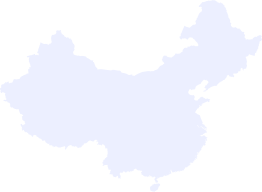
China map illustration
China flag

China

High-volume manufacturing, vertically integrated supply chains, cost efficiency across raw materials, components, and finished goods
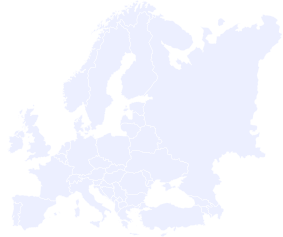
Europe map illustration
EU flag

Europe

Advanced processing technologies, strong quality systems, premium and specialty ingredient manufacturing

Korea map illustration
Korea flag

Korea

Innovation-driven cosmetic ingredient manufacturing, advanced formulation technologies, rapid prototyping
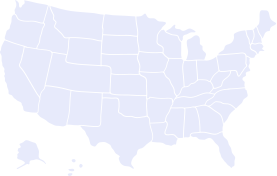
USA map illustration
US flag

United States

Pharmaceutical-grade manufacturing standards, specialty and regulated ingredient production

Important considerations: Ingredient availability by country can influence both cost and timelines. Many specialty actives, bioactives, and regulated ingredients are sourced from Europe and the United States, even when final manufacturing occurs elsewhere.

Ready to Source Your Next Product?

Let us handle the complexity of ingredient sourcing, manufacturing coordination, and quality assurance so you can focus on building your brand.

Supply Chain Risk Patterns

Supply chain risk does not imply failure. It highlights areas where contingency planning iscommonly required due to variability in sourcing, manufacturing, and logistics.

*This table is scrollable
Risk Category
Description
Single-source dependency
25–35 days
Regional concentration
Heavy reliance on one geographic area
Agricultural variability
Crop yield, climate, or seasonal impacts
Regulatory uncertainty
Changing requirements or incomplete documentation
Packaging availability
Component backorders or long lead times

Understanding these patterns supports more realistic planning and risk mitigation.

Packaging and Component Reality

Packaging selection plays a critical role in timelines, cost, and scalability. Differences between stock and custom packaging extend beyond appearance.

Packaging Strategy Comparison
*This table is scrollable
Factor
Stock Packaging
Custom Packaging
Lead time
Shorter
Longer
Upfront cost
Lower
Higher
Brand differentiation
Limited
High
Availability
Immediate
Design-dependent

Packaging procurement is a frequent cause of production delays across both cosmetics and dietary supplements, as packaging timelines are often underestimated during early development stages. Custom containers may require mold creation, material production, and quality testing, while stock components can experience backorders due to demand fluctuations. Additional time is commonly required for label printing, regulatory review, and formula-packaging compatibility testing. When packaging procurement begins after formulation is finalized, it can extend the overal launch schedule by several weeks.

Typical Packaging Timeline Components
Packaging Step
Stock Packaging
Mold creation (custom designs)
4 - 6 weeks
Glass or plastic production
3 - 4 weeks
Component assembly (pumps, caps, droppers)
2 - 4 weeks
Label printing and application
1 - 3 weeks
Formula compatibility testing
2 - 6 weeks

DIY vs. Hiring a Sourcing Team

Map likelihood vs impact, then lock one-action mitigations to keep your China supply chain bulletproof — even during CNY shutdowns or tariff spikes.

*This table is scrollable
Factor
DIY Works Best When
Sourcing Team Better When
Annual Spend
Under ~$200K
$250K+ (ROI positive)
Product Complexity
Simple, standardized
Custom formulations, tooling, multi-component
Defect Tolerance
3-5% acceptable
<1% required (Amazon account health)
Time Availability
10-15 hrs/week for management
Limited time, need turnkey solution
Timeline Sensitivity
Flexible, can slip 2-3 weeks
Strict deadlines, launches tied to revenue
Language/Culture
Comfortable with translation apps
Need native Mandarin negotiation
For most scaling DTC brands, the tipping point arrives when supply chain management starts consuming too many internal hours and slowing growth. Kanary breaks even around $300K annual spend through landed cost reductions alone—before counting time savings and quality improvements.

Minimum Order Quantities (MOQs) and Development Cost Structures

MOQs and development costs vary by manufacturer, ingredient availability, packaging selection,and production method. Higher customization typically increases both minimums and upfront investment.

Typical Packaging Timeline Components
*This table is scrollable
Product Type
Typical MOQ Range
White label products
1,000 - 3,000 units
Custom formula products
2,000 - 5,000 units
Dietary supplements (capsules)
5,000 - 10,000 units
Dietary supplements (powders)
1,000 - 3,000 units

Development costs increase with formulation complexity, testing requirements, and custom packaging components.

Typical Research and Development (R&D) Costs
*This table is scrollable
Cost Category
Typical Cost Range
Formula development
$500 - $2,000
Stability testing
$800 - $1,500
Sampling (multiple rounds)
$300 - $800
Packaging molds (custom components)
$1,000 - $5,000

Minimum Order Quantities (MOQs) and Development Cost Structures

Custom formula launch icon
$8,000 - $25,000
Custom Formula Launch
(depending on formulation complexity, packaging design, and order quantity)
White label launch icon
$5,000 - $10,000
White Label Launch
(lower upfront development requirements)

Typical Manufacturing Workflow

Understanding the main steps in the manufacturing process helps anticipate timelines and dependencies

1

Ingredient and packaging

2

Incoming QC and documentation

3

Pilot or firstproduction run

4

Packagingintegration

5

Final Q C and
release

6

Shipment and
delivery

Parallel vS Sequential Workstreams

Understanding which activities can run simultaneously versus which require sequential completion optimizes project timelines

What can happen in parallel:

  • Packaging procurement
  • Label review

What must be sequential:

  • Final formula approval
  • Compatibility testing
  • Production release

Where Delays Most Commonly Occur

Delay Hotspots

Packaging components icon

Packaging Components

Formula revisions icon

Formula Revisions After

Factory line scheduling icon

Factory Line Scheduling

Freight availability icon

Freight Availability

Estimated Product Development Timelines

Product development timelines vary based on ingredient complexity, sourcing regions, packagingchoices, and regulatory review. Delays are most commonly introduced during packagingprocurement and revision cycles.

*This table is scrollable
Development Phase
White Label (Ready-Made)
Custom Formula
Common Delay Drivers
Formula development & approval
Not required
3-6 weeks
Multiple revisions, stability requirements
Sampling & approval
1-2 weeks
3-6 weeks
Shipping delays, formula or packaging adjustments
Packaging procurement
2-3 weeks
4-8 weeks
Packaging availability, label printing, custom molds
Production & Quality Control
3-4 weeks
6-10 weeks
Port congestion, customs clearance, peak season
Delivery (ocean freight)
4-5 weeks
4-5 weeks
Port congestion, customs clearance, peak season
Estimated total timeline
9-13 weeks
15-22 weeks
Plan a 25%-30% buffer across all phases

Al-Powered Formula Creator

Answer guided questions to generate a custom formula optimized for your product goals, target consumer, and market requirements