
Custom Packaging
Product Categories
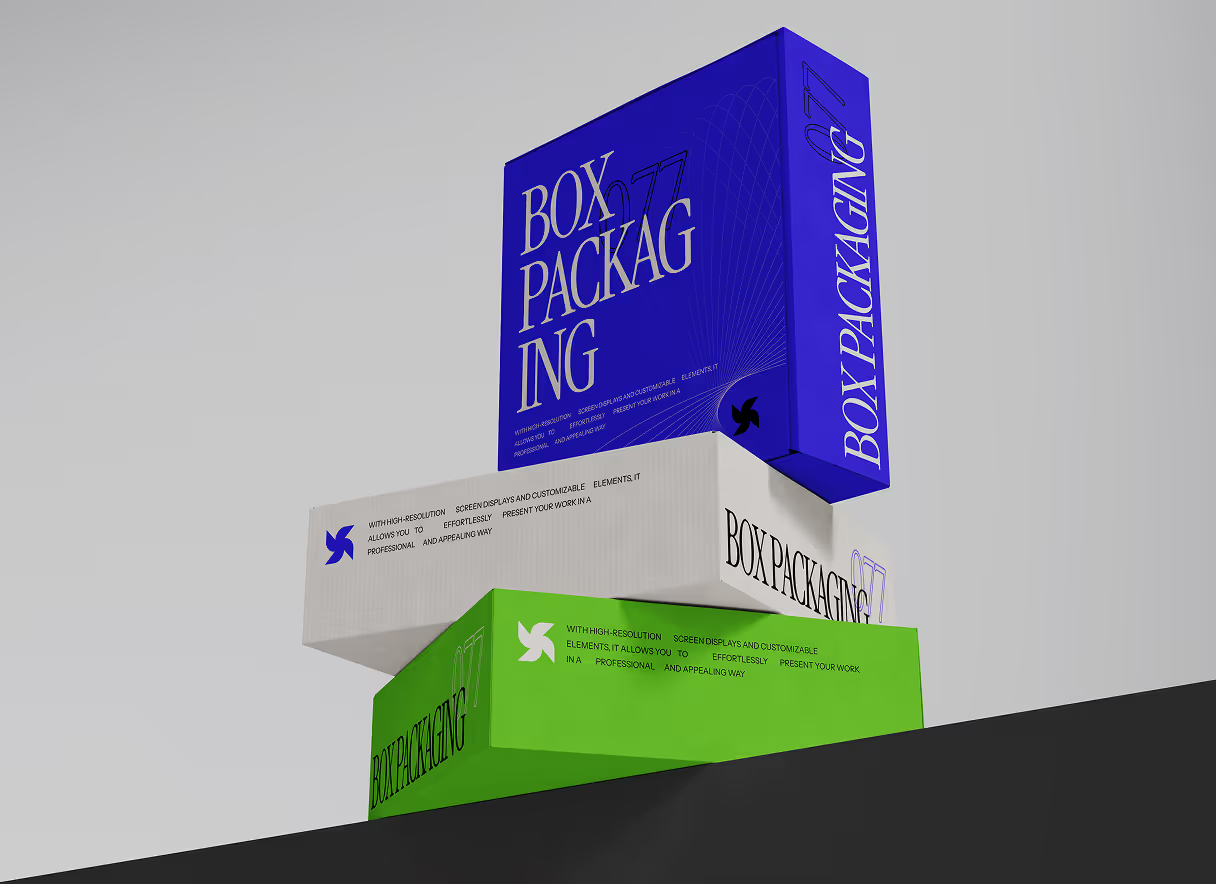
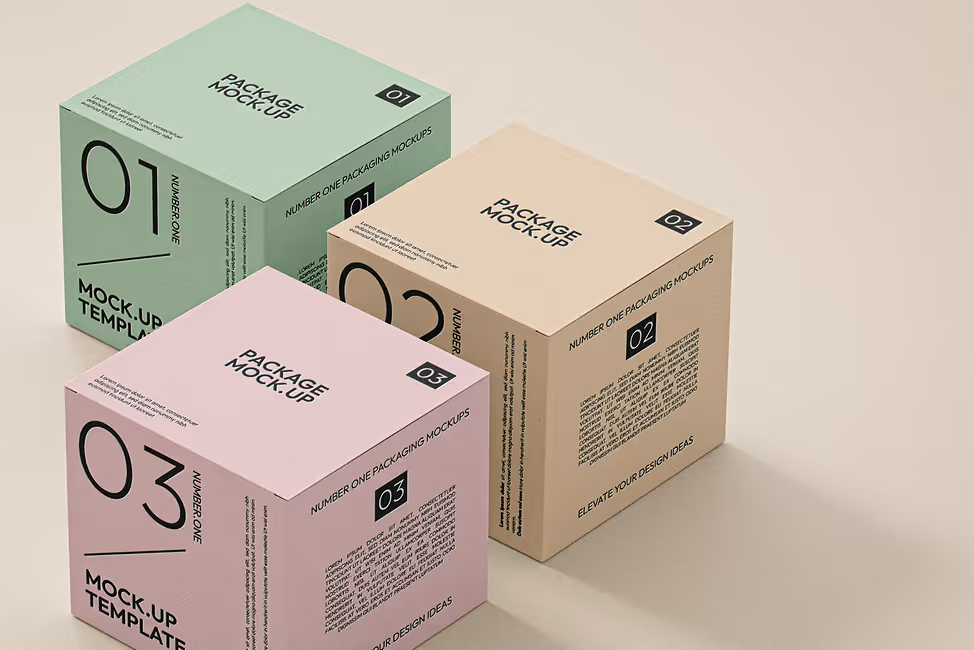
Get any kind of box packaging you need with Kanary as your sourcing specialist! Click to learn more about how we can partner with you to find a supplier.
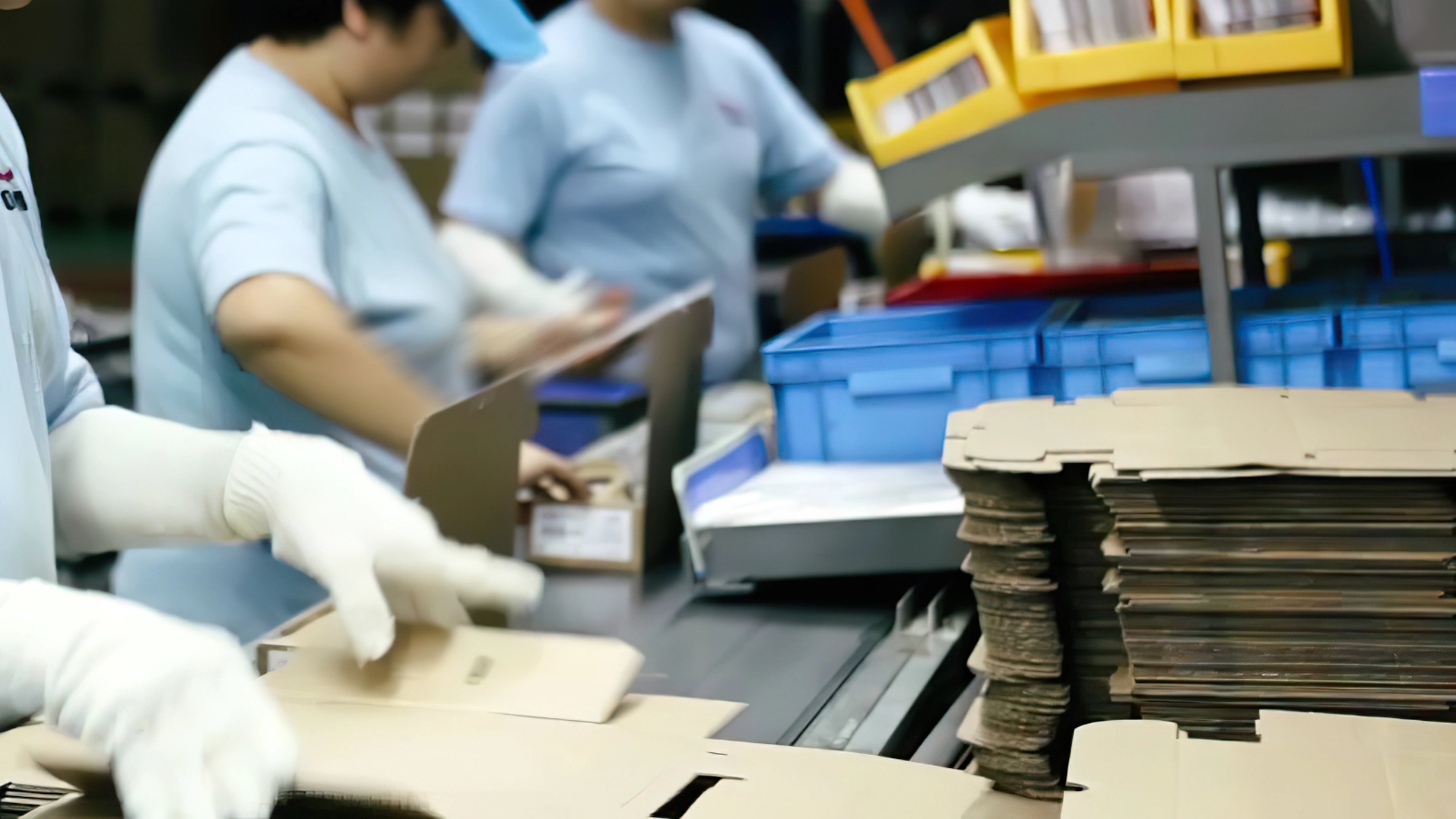
Do you need bag packaging of any kind? Let Kanary source it for you! Click to learn more about our sourcing process and how to partner with us!
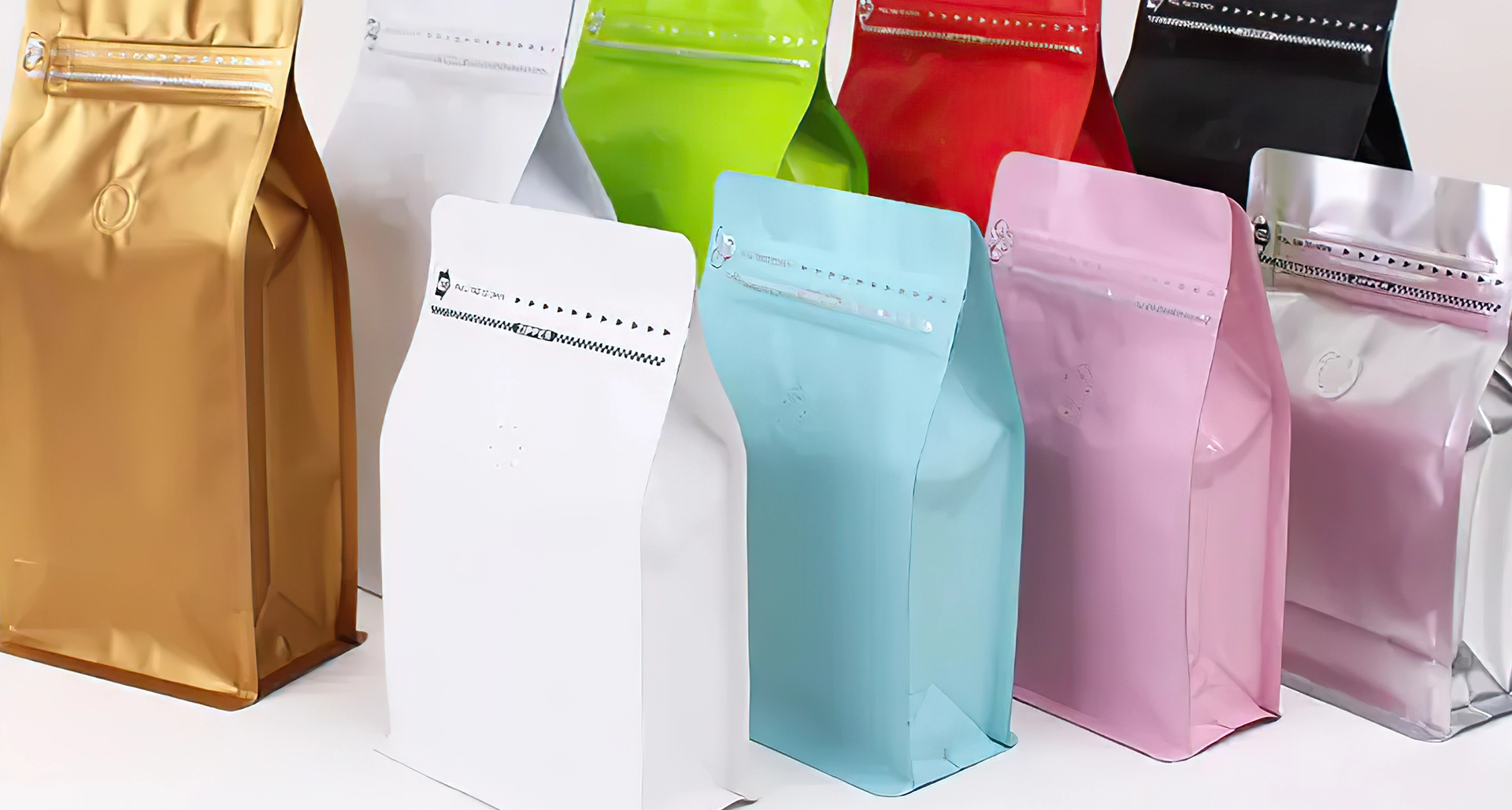
Tin packaging is a great option for businesses that want a high-quality and eco-friendly solution. Click to learn how to partner with Kanary to source bulk tin packaging.
Kanary can source any jar packaging you need! Click to learn more on how we find factories and how to connect with us.
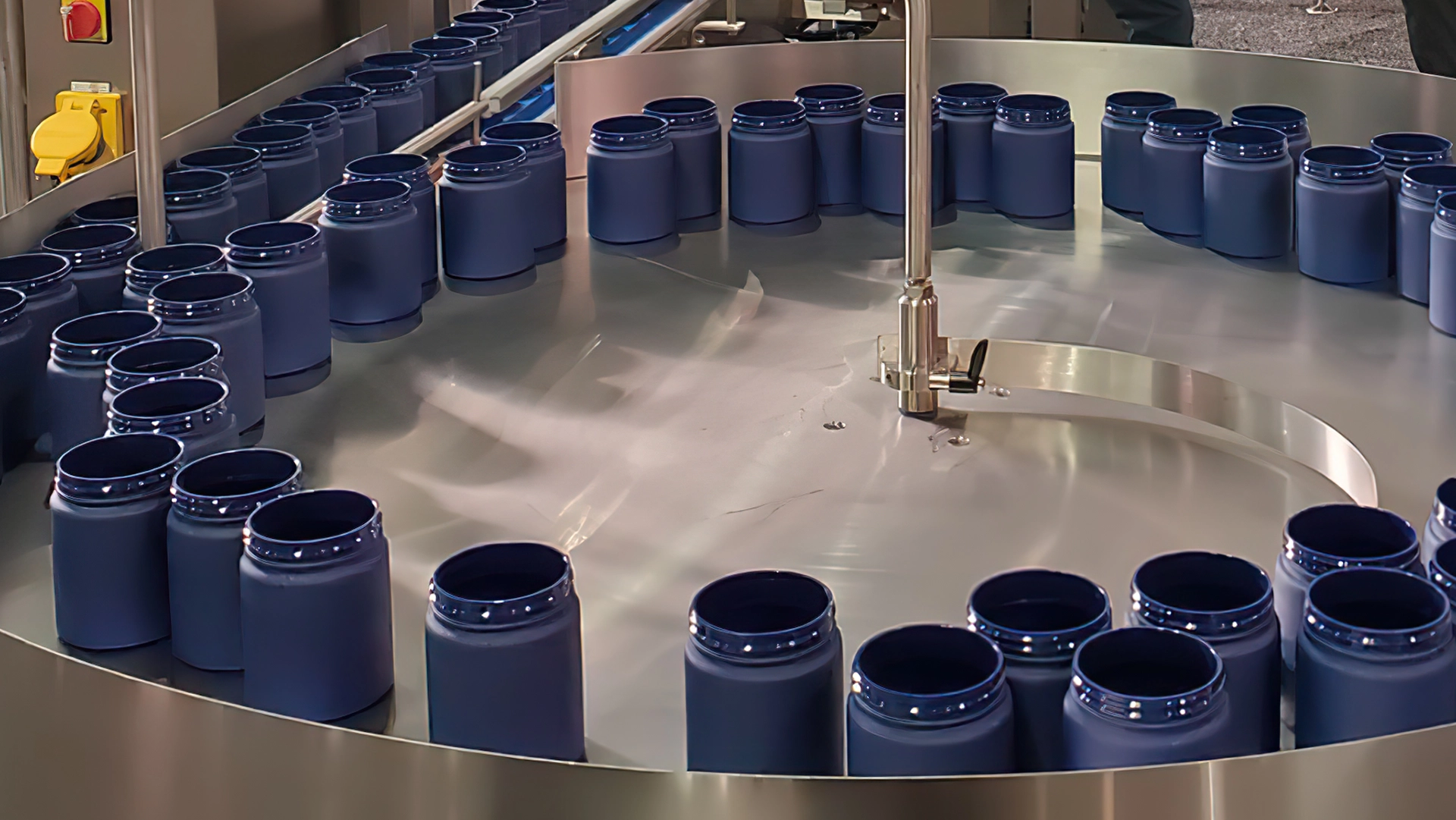
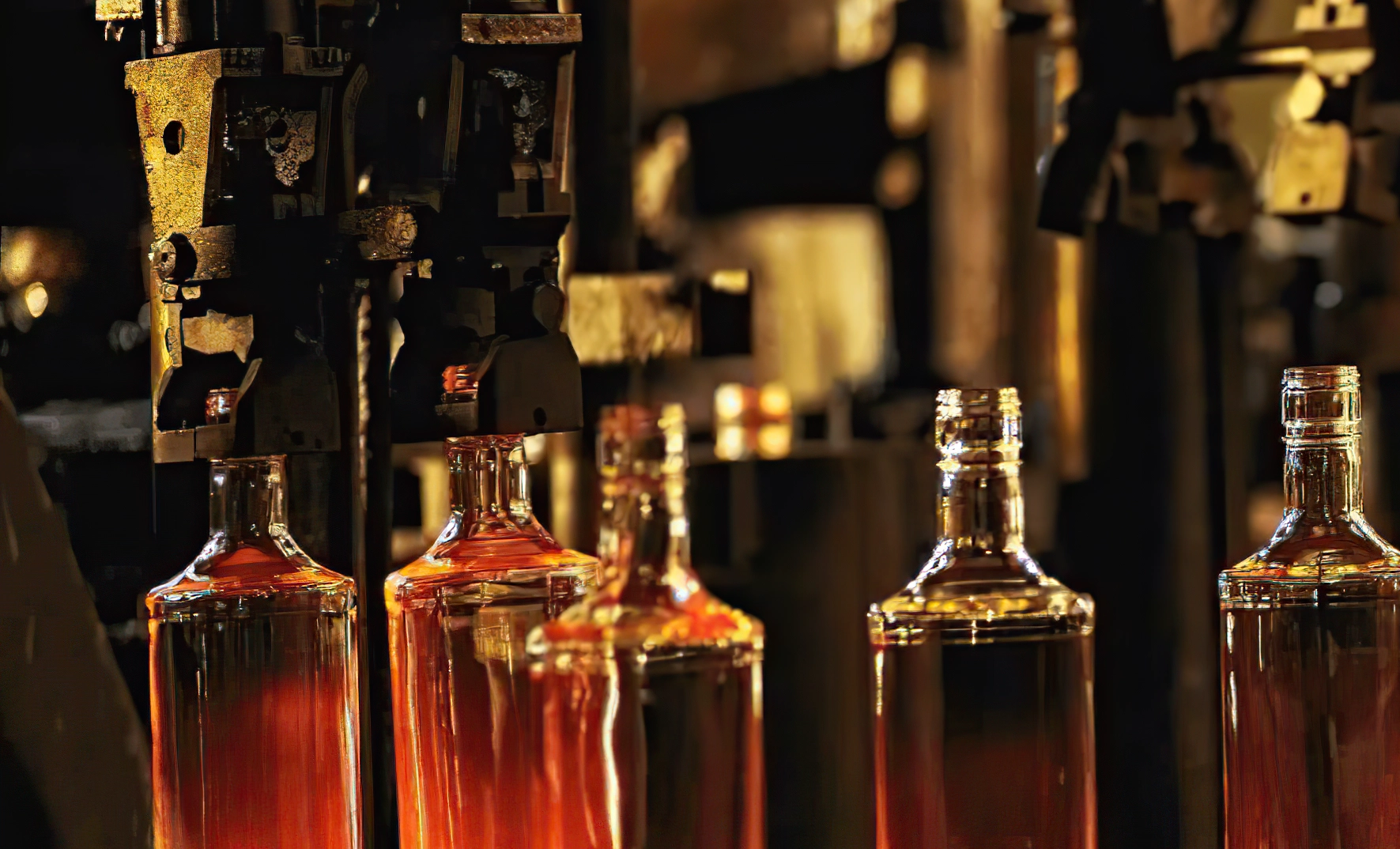
Whether you need glass bottles, plastic bottles, or a prototype packaging option, Kanary can source any bottle packaging you need.
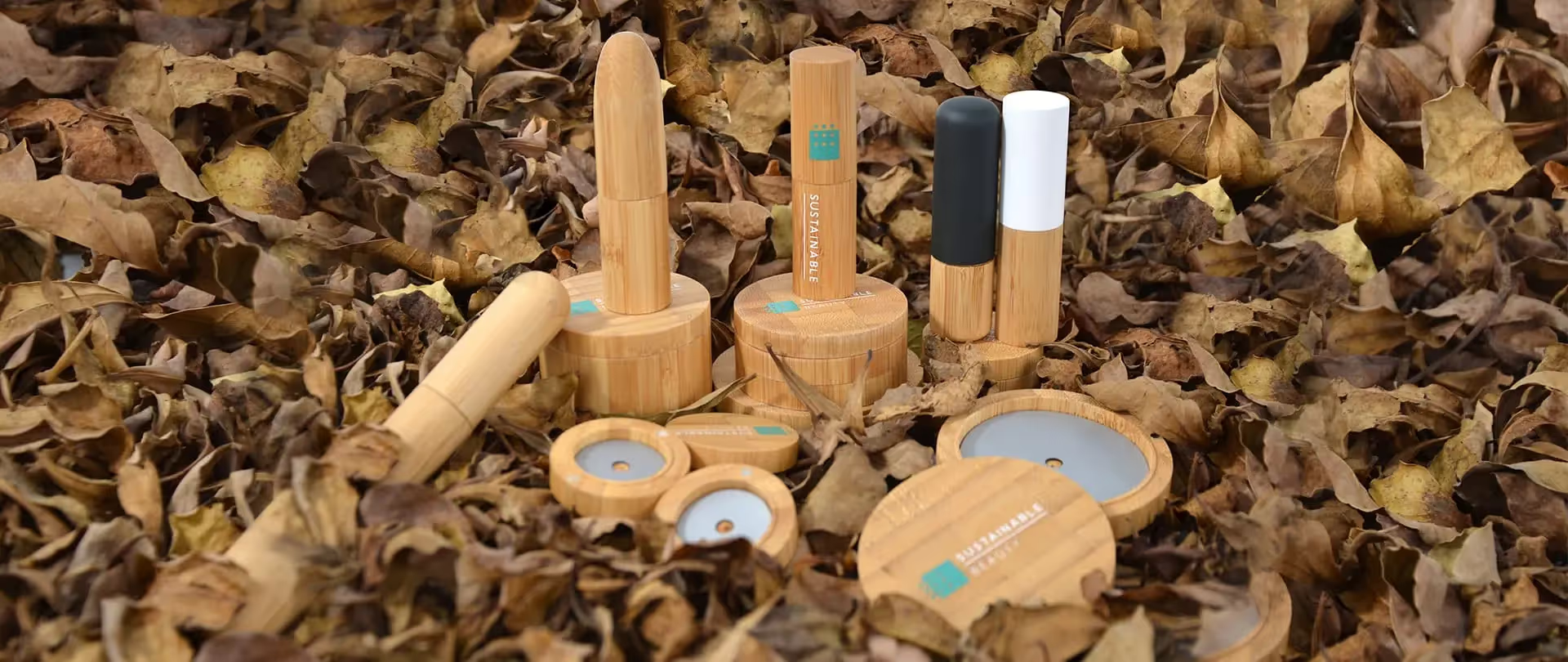
Kanary can source any kind of sustainable packaging you need, whether it's paper, cardboard, aluminum, glass, or more! Click to learn more about our sourcing services.
White Label vs Customization


Want to launch fast with proven designs?
Want to create unique brand packaging?
MOQs by Product Type
MOQs for packaging are typically higher than finished products due to mold costs and production economics. Most packaging requires 3,000+ units minimum.
Note: Custom molds add $2,000-$10,000+ in upfront costs and typically require 5,000-10,000+ units to justify investment.
Lead Times by Product Type
Typical Planning Ranges (Illustrative)
General manufacturing timelines for packaging in China:

3-4 weeks production after artwork approval
3-4 weeks production after artwork approval
3-4 weeks production after die-cutting setup
6-10 weeks including mold creation
3-4 weeks production
4-6 weeks production (material sourcing may extend timeline)
4-5 weeks production plus testing time (2-3 weeks)
Timelines vary based on mold complexity, material availability, printing requirements, and compliance testing needs. Total timeline from packaging design to delivered inventory commonly runs 10-16 weeks for custom packaging.
Why Choose China, US, Or Both
Most brands manufacture packaging in China for cost efficiency and extensive material options, though some choose domestic packaging for faster turnaround on smaller runs or specific material requirements. Here's what each region offers:

Note: Many successful brands use a hybrid approach—manufacturing higher-volume standard packaging in China for cost efficiency while producing small test batches or rapid prototypes domestically.

Available MOQs:
- 3,000-5,000+ units baseline (varies by packaging type)
Specialization:
- All packaging types (bottles, jars, boxes, flexible)
- Extensive material options & specialty finishes
- High-volume production capabilities
- Advanced printing & customization
Speed:
- 10-16 weeks packaging design to delivered inventory
Cost:
- Most cost-effective per-unit pricing

Available MOQs:
- 5,000+ units baseline (higher starting volumes)
Specialization:
- Rapid prototyping & design iteration
- Small-batch specialty production
- American-made packaging claims
Speed:
- 6-10 weeks from sampling to delivered inventory
Cost:
- Faster shipping & easier facility visits
- Simpler communication & oversight
From Brief to First Ship
White Label Fast-Track
Select Packaging & Review Samples
Choose from manufacturer's catalog of stock packaging—bottles, jars, boxes, or containers already developed and tested. We send samples to your location for hands-on evaluation. Test functionality, verify material quality, and assess how the packaging presents your product before committing to customization.
- Material quality and safety verification
- Closure functionality and seal integrity
- Dimensional accuracy and capacity verification

Artwork Development & Color Matching
Once you approve the base packaging, we apply your brand identity through custom labels, printing, or decorative elements. Our team coordinates with the factory to ensure proper color matching, printing quality, and artwork placement. You review digital proofs and physical samples before production.
- Artwork placement and color matching
- Regulatory label requirements verification
- Print quality and legibility assessment
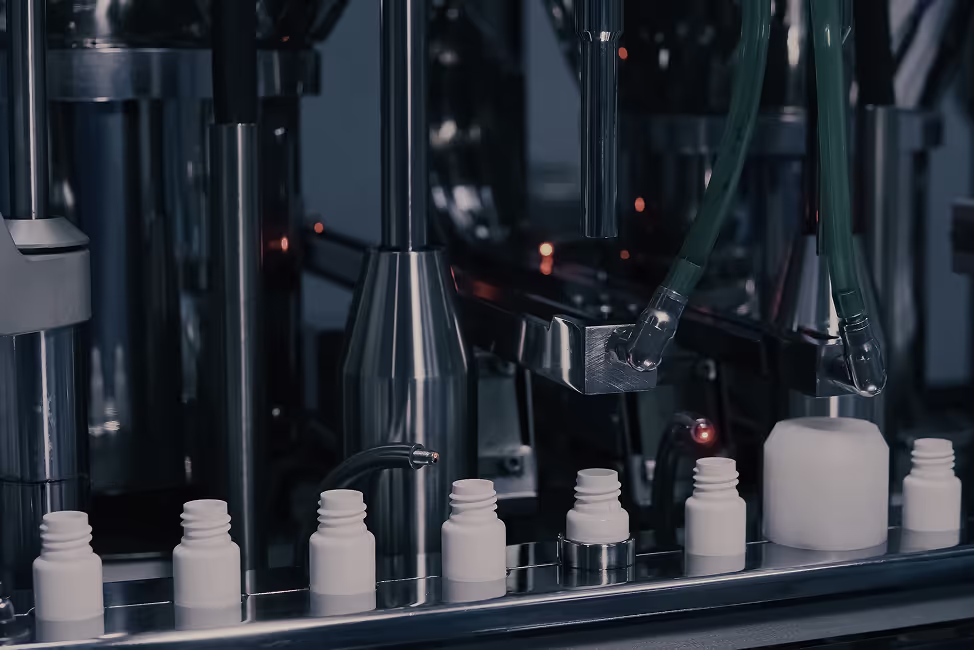
Production, Quality Control & Shipment
Factory begins production with your custom branding applied. Our team conducts on-site quality inspections to verify printing quality, seal integrity, and material consistency. After final approval, we arrange freight, prepare customs documentation, and coordinate delivery to your warehouse or fulfillment center.
- Print quality and color consistency verification
- Seal integrity and closure functionality testing
- Packaging damage prevention during transit
Customization
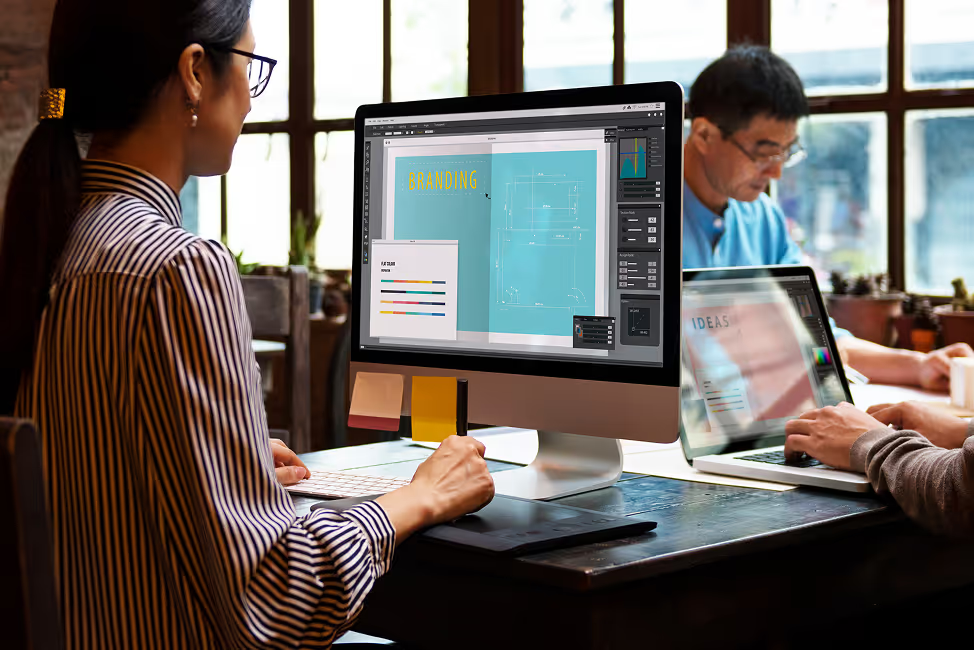
Packaging Design & Engineering
Work directly with packaging engineers to develop your custom design. Define dimensions, select materials, specify closure systems, choose finishing options (metallization, embossing, specialty coatings), and establish functional requirements. Factory creates initial design mockups, 3D renderings, or CAD files for your evaluation.
- Packaging specifications and dimensions
- Material selection and compatibility requirements
- Initial design mockups or 3D renderings created
Mold Design & Creation
For custom shapes or unique designs, factory creates production molds or dies. Engineers optimize mold design for manufacturing efficiency, material flow, and structural integrity. Conduct mold trials to verify dimensional accuracy and surface finish before proceeding to full production tooling.
- Production molds or dies created
- Mold trials and dimensional verification
- Surface finish and detail quality assessment
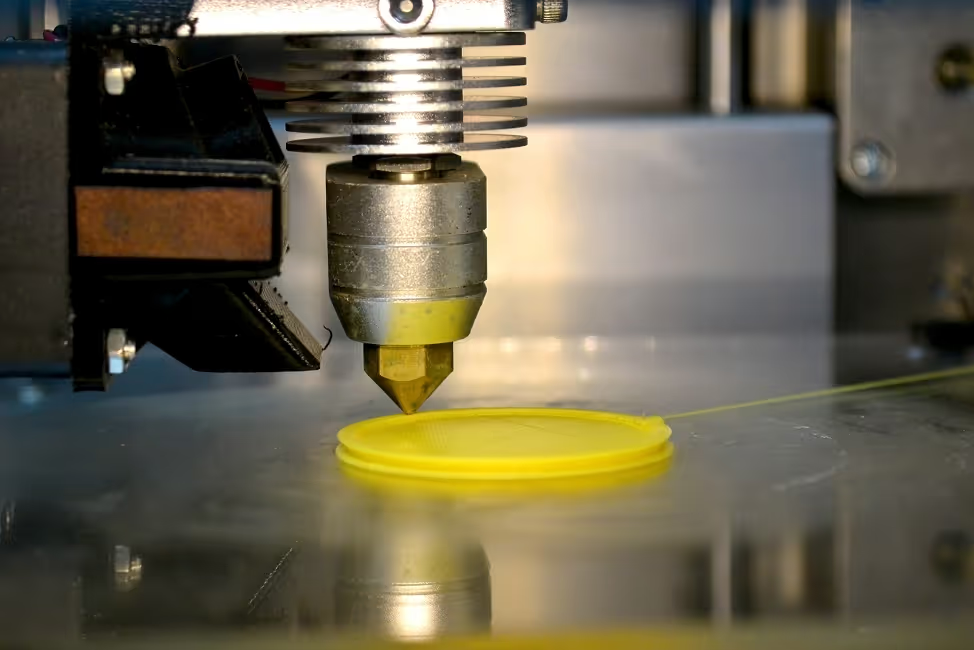
Prototyping & Testing
Factory produces prototype samples using production molds and materials. Conduct functionality testing (drop tests, seal integrity, material compatibility), verify regulatory compliance, and assess printing or decoration quality. Iterate on design based on test results before approving final production.
- Prototype production and functionality testing
- Material compatibility and seal integrity verification
- Design refinements based on testing results
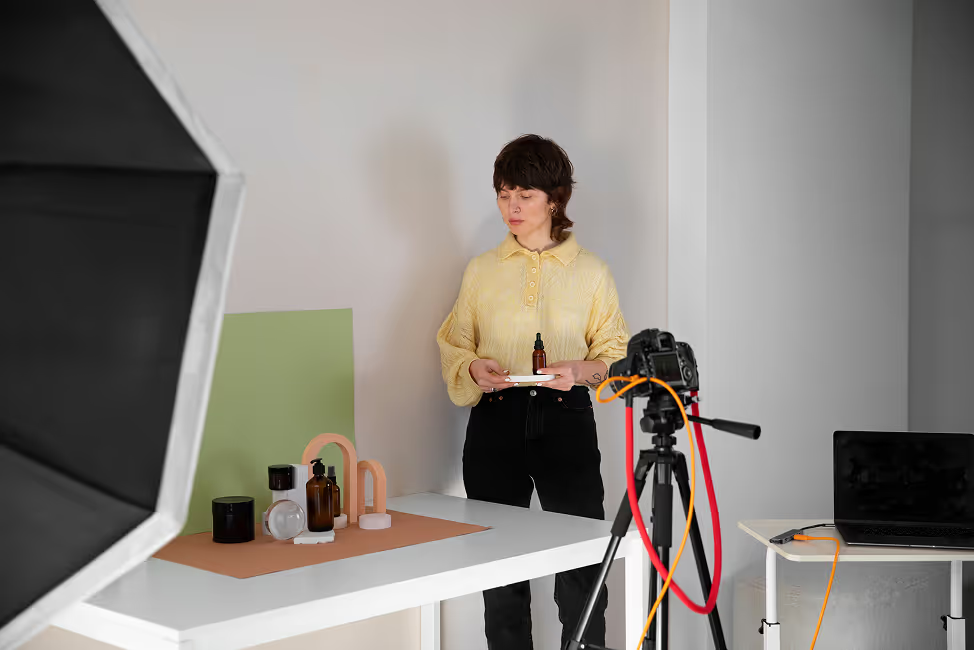
Production, Inspection & Shipment
Factory begins full production with continuous quality monitoring. Our team conducts on-site inspections to verify consistency, material quality, and printing standards throughout production. After approval, we coordinate freight and delivery to your facility.
- Production with consistency monitoring
- Print quality and material verification
- Pre-shipment inspection and freight coordination

Safety Standards & Certifications
Kanary works with factories that can provide testing and certifications relevant for packaging materials. Common safety standards and testing include:
- FDA approved materials for food & supplement contact
- Cosmetic packaging material certifications (ISO 22716 compatible)
- Child-resistant packaging testing (16 CFR 1700.20)
- BPA-free and phthalate-free certifications
- REACH compliance (EU material restrictions)
- Tamper-evident seal testing
Testing & Verification: Factories work with internationally recognized third-party testing labs for certification verification. Common industry labs include SGS, Intertek, and Bureau Veritas (BV), among others, depending on packaging type and market requirements.
Note: Testing requirements and costs vary by packaging type, materials used, and target market. Our team helps identify which certifications are necessary for your specific packaging and ensures factories can provide proper documentation.
Checklists
Material Safety & Compliance
- FDA approved materials for food/supplement contact when applicable
- Material safety documentation (COAs, test reports)
- Child-resistant testing for applicable products
- Tamper-evident seal functionality verification
- BPA-free, phthalate-free certifications when needed
- REACH compliance for EU markets
Quality Control Standards
- Material consistency testing across batches
- Dimensional accuracy verification
- Seal integrity and closure functionality testing
- Drop testing and packaging durability verification
- Print quality and color matching consistency
- Leak testing for liquid products
What Can Go Wrong
Factory
What can go wrong:
- Using non-compliant materials to cut costs
- Inadequate seal integrity leading to product leaks
- Poor quality control allowing defective packaging to ship
- Inconsistent color matching across batches
- Mold defects causing dimensional issues
How we prevent it:
- Material verification and COA review before production
- Seal integrity testing on production samples
- Regular factory audits and QC inspections
- Color matching verification with approved standards
- Mold trial verification before full production
Trade Company
What can go wrong:
- Cannot verify actual factory material sources
- No visibility into production processes or mold quality
- Markup pricing without quality oversight
- Packaging changes between batches without knowledge
- May source from non-compliant facilities
How we prevent it:
- Work directly with factories, no middlemen
- Verify all material documentation and certifications
- Maintain full chain-of-custody documentation
- Regular factory visits and quality monitoring
- Direct factory relationships ensure accountability
Fulfillment Company
What can go wrong:
- Improper storage damaging packaging materials
- Mixing up SKUs or packaging batches
- No quality checks before products ship to customers
- Cannot address packaging quality issues at source
How we prevent it:
- Partner with fulfillment centers experienced with packaged goods
- Barcode-based batch tracking system
- Quality spot-checks at fulfillment level
- Direct factory relationship for issue resolution
FAQ
When should a brand choose stock packaging instead of fully custom packaging?
Stock packaging fits brands testing a product, launching quickly, or ordering volumes that do not justify new tooling. Fully custom packaging makes more sense when the product requires unique dimensions, functionality, materials, closures, or a distinctive shelf presence.
What if a brand wants custom-looking packaging without paying for a new mold?
Start with an existing bottle, jar, box, or container and differentiate it through printing, labels, colors, finishes, inserts, or secondary packaging. This can create a more distinctive presentation while avoiding custom-mold costs and development time.
How can packaging be tested with the actual product inside it?
Compatibility testing should use the intended formula or product under representative storage and handling conditions. Brands should evaluate leaking, seal performance, material interaction, discoloration, deformation, evaporation, and dispensing functionality.
What should a brand do when packaging looks correct but arrives damaged?
Determine whether the failure involves the primary container, protective insert, shipping carton, pallet configuration, or handling process. Drop, vibration, compression, and transit tests can help identify where protection needs improvement.
How can packaging stay visually consistent across several suppliers or production runs?
Create approved physical standards for color, print placement, finish, dimensions, and acceptable tolerances. Digital artwork alone may not capture how colors and finishes appear on different materials or printing equipment.
Can several products share the same packaging components?
Yes. A brand may use one bottle, jar, closure, or carton structure across multiple SKUs while changing labels or decoration. Standardizing components can simplify purchasing and inventory, provided each product remains compatible with the shared packaging.
What happens if the product formula changes after packaging has been approved?
The revised formula may interact differently with the container, liner, pump, adhesive, or seal. Relevant compatibility and performance checks should be repeated before using the existing packaging for the new formula.
How should a brand evaluate sustainable packaging claims?
Define the exact claim being made, such as recycled content, recyclability, compostability, refillability, or reduced material use. Request supporting documentation and confirm whether local recycling or disposal systems can realistically handle the material.
What is the difference between tamper-evident and child-resistant packaging?
Tamper-evident packaging shows visible evidence that a package may have been opened or altered. Child-resistant packaging is designed and tested to make opening more difficult for children while remaining usable by adults. A product may require one, both, or neither depending on its contents and market.
When might a brand use both U.S. and Chinese packaging suppliers?
A brand might use a U.S. supplier for prototypes, urgent replenishment, or short-run testing, then use a qualified Chinese manufacturer for specialized finishes or scaled production. A hybrid strategy requires carefully matched specifications so packaging remains consistent across suppliers.

.avif)

Get Connected
As a loose guide, the typical “sweet spot” Kanary client who will benefit the most from our process and scaleable expertise will have annual gross revenue starting at approximately 5 million USD. If your business meets — or is approaching — this threshold, we can help you!