Personal Care
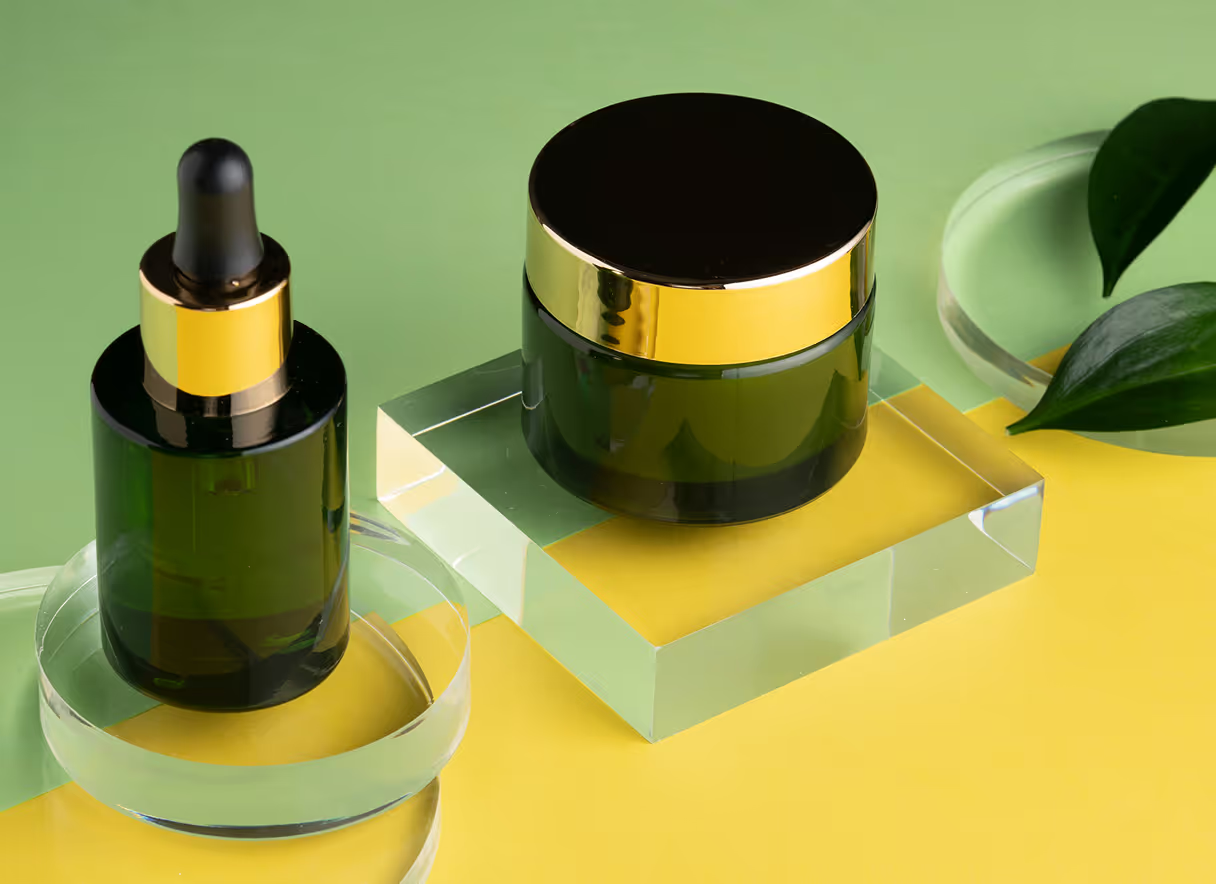
Product Categories
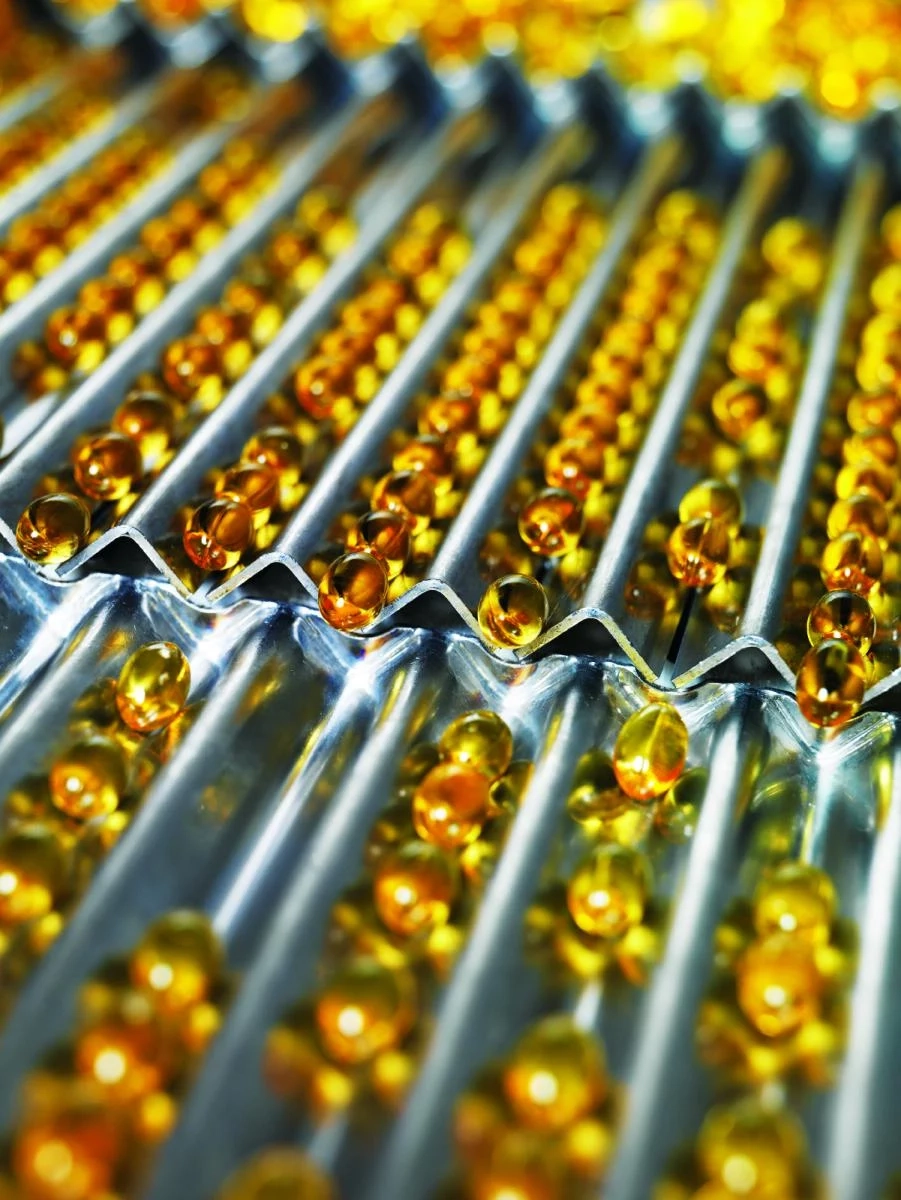
Whether you need white label or private label supplements or packaging for your own proprietary products, Kanary can connect you with a factory partner!
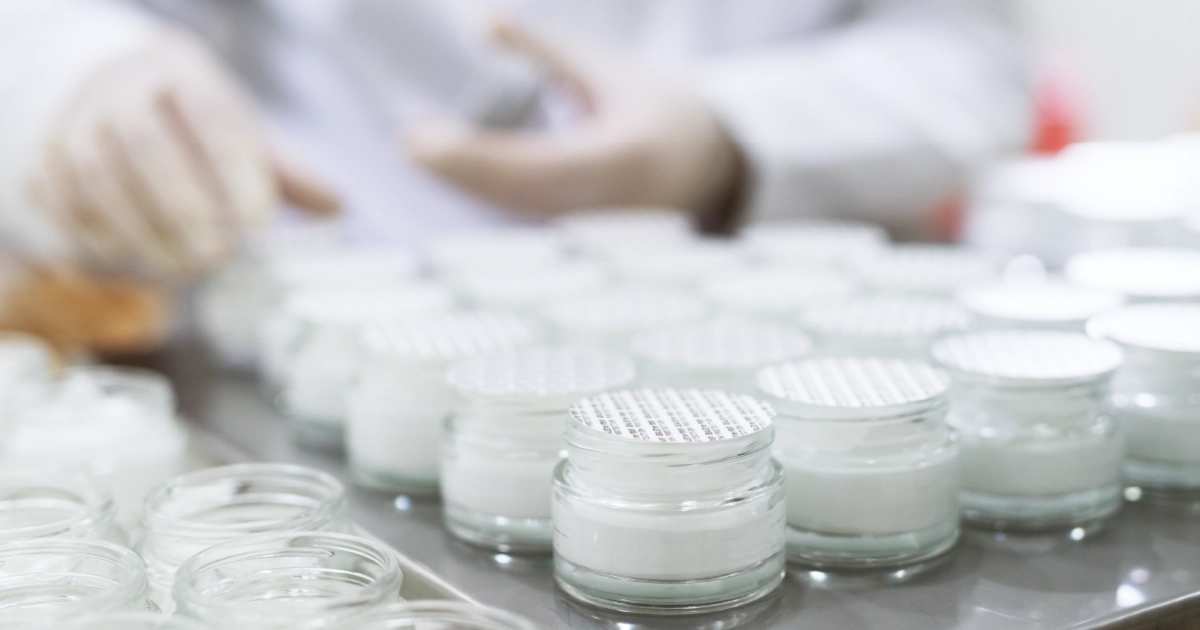
Wholesale cosmetics direct from factories for white label, private label, and prototype uses! Click to learn how Kanary connects businesses with factories.

Source safe, effective skin care products straight from factories you trust! Learn how to connect with factories through Kanary inside!
The latest in beauty tech, straight from factory suppliers! Click to learn how Kanary can connect you directly with suppliers for the best in beauty tech.
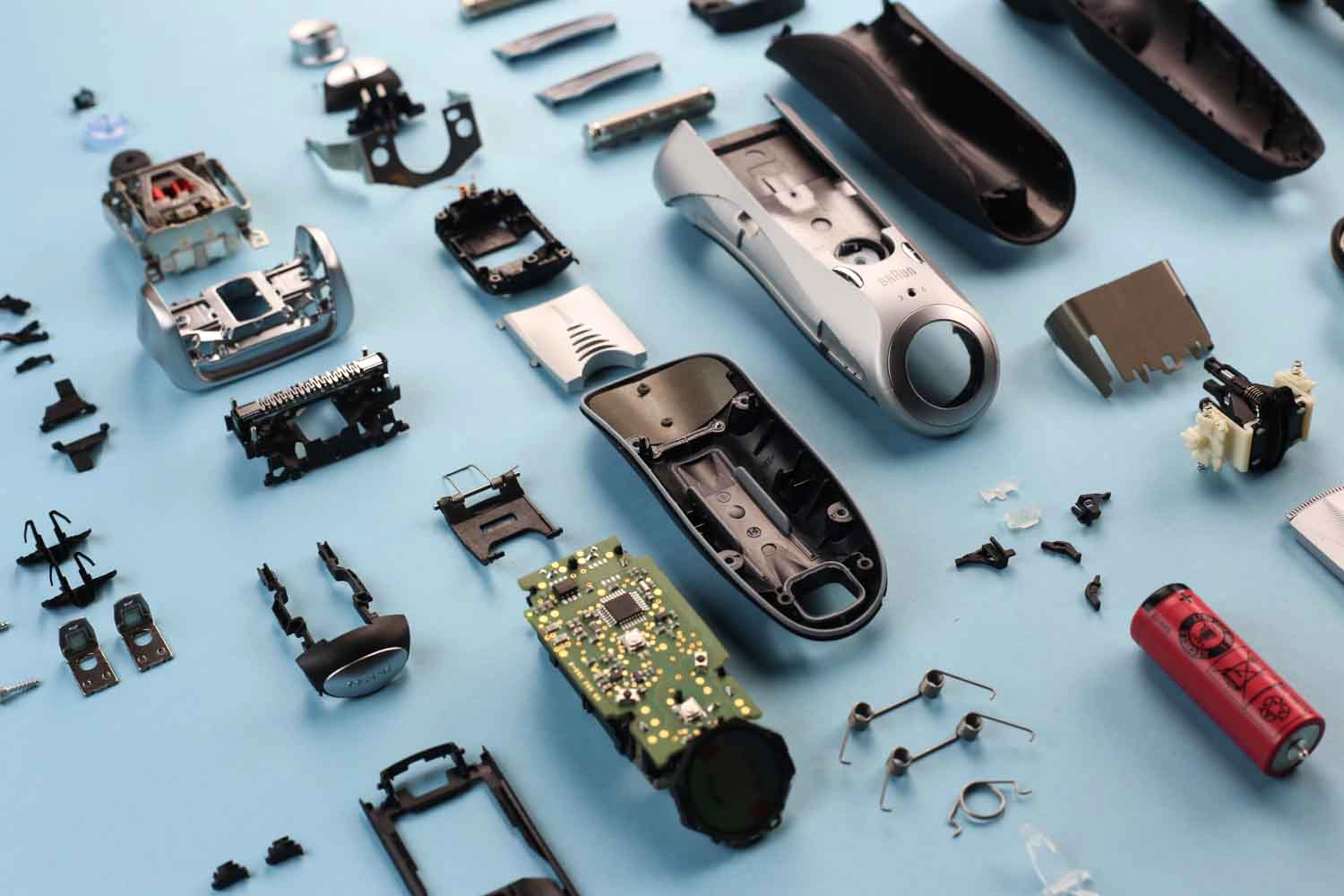
Oral care products straight from suppliers, including wholesale and customized options! Click to learn more about how Kanary can connect you with a factory.
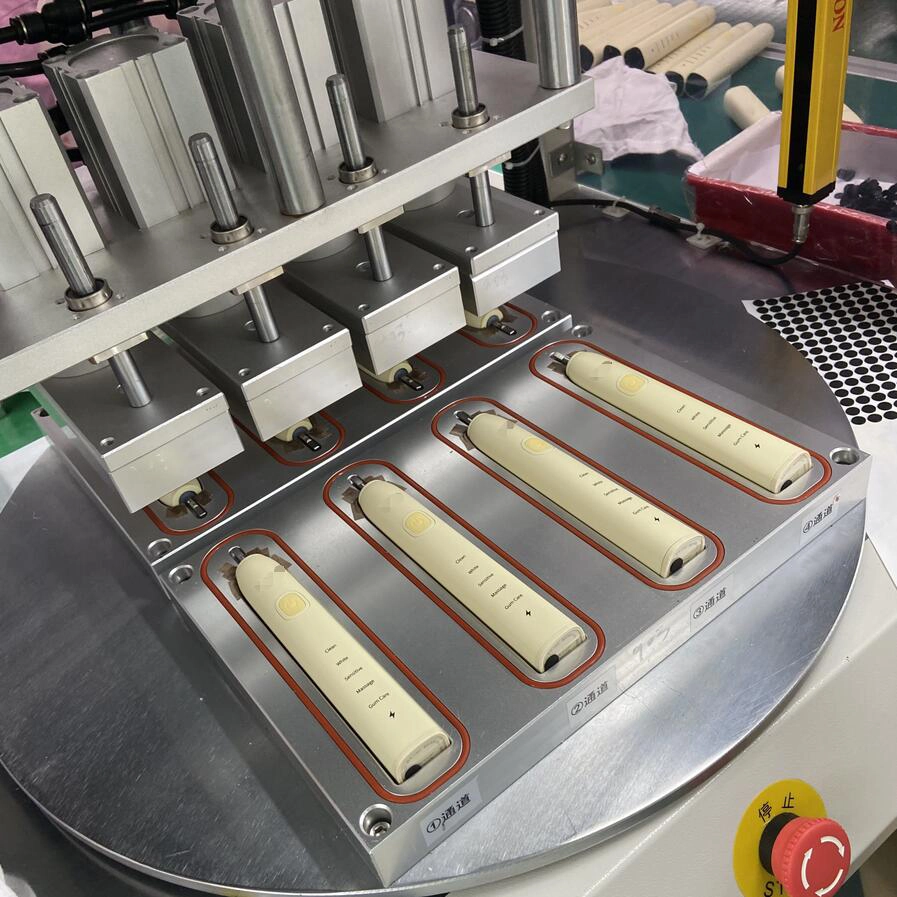
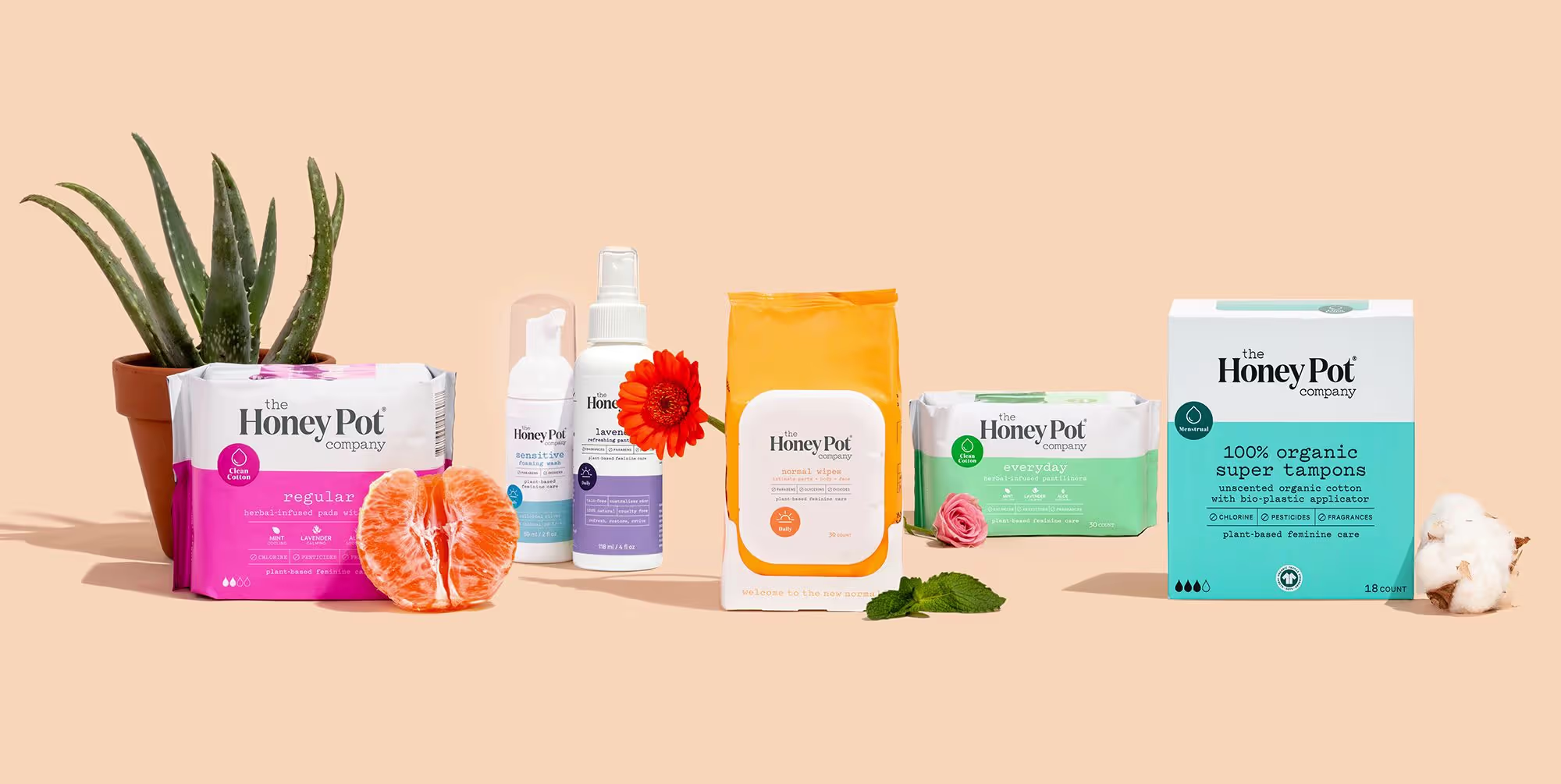
Feminine products for white label, private label, and more, straight from the factories! Click to learn how Kanary can connect you with a great supplier.
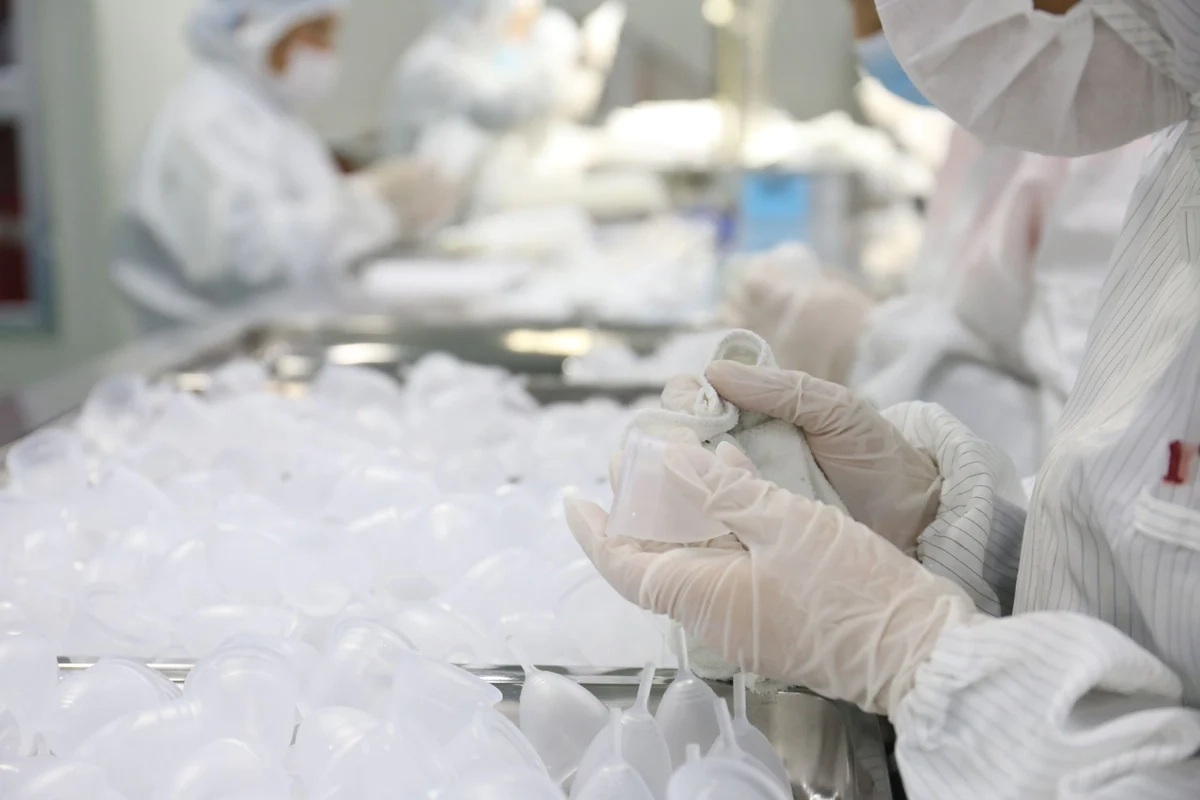
White Label vs Customization


Want to launch fast or stand out with small changes?
Want to create something entirely new?
MOQs by Product Type
Lead Times by Product Type
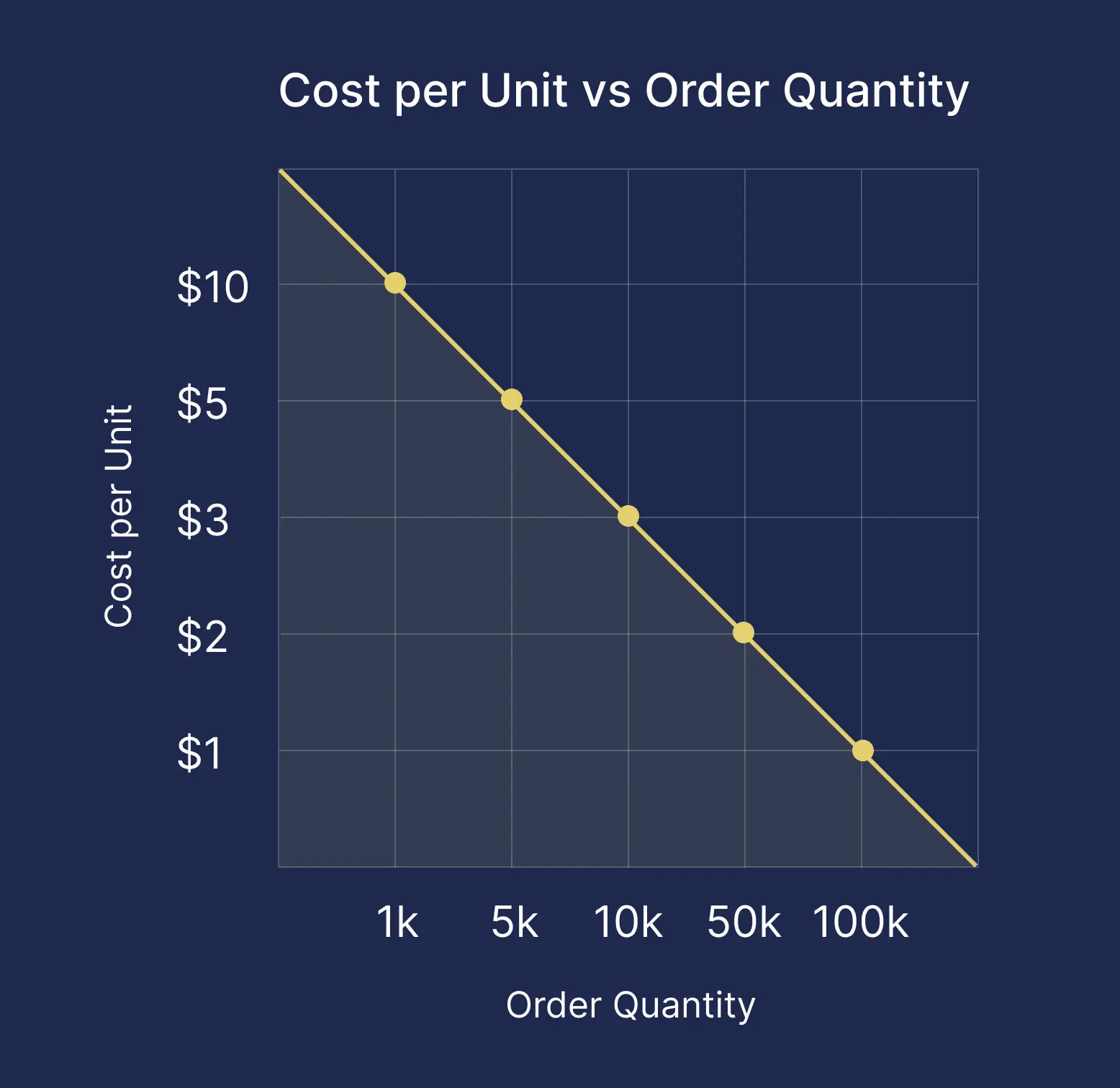
Cost Levers & Unit Economics
Best Manufacturing Countries & When to Choose Each

China leads global cosmetic manufacturing with ISO 22716-certified facilities, extensive ingredient supply chains (including K-beauty and J-beauty actives), and the capacity for both boutique formulations and mass production. Ideal for custom development, cost-effective scaling, and access to specialized cosmetic manufacturers.
- ISO 22716 (Cosmetic GMP) certified facilities widely available
- Custom formulation development with cosmetic chemists
- Among the most cost-effective per-unit pricing at scale (5,000+ units)
- Complete ingredient supply chain (actives, botanicals, preservatives)
- Flexible MOQs (3,000-5,000 pcs depending on complexity)
- Advanced packaging options (airless, droppers, sustainable materials)
- 4-8 week timelines for white label, 10-16 weeks for custom

U.S. cosmetic manufacturing offers simplified FDA compliance, faster communication cycles, shorter shipping times, and easier ingredient verification. Best for brands prioritizing "Made in USA" positioning, rapid iteration, clean beauty with domestic ingredient sourcing, or products requiring frequent reformulation.
- Simplified FDA cosmetic registration and labeling
- Faster sampling cycles (3-5 days vs 2-3 weeks)
- Direct access to clean beauty ingredient suppliers
- No import duties or customs delays
- "Made in USA" brand positioning for marketing
- Smaller test runs possible (1,000-2,500 units)
- 3-6 week production timelines

South Korea specializes in cutting-edge skincare formulations, innovative delivery systems (cushion compacts, ampoules), and trend-forward beauty products. Best for brands wanting access to K-beauty innovation, fermented ingredients, or products that command premium pricing through Korean beauty positioning.
- Access to latest K-beauty trends and formulations
- Fermented ingredients and innovative actives
- Advanced delivery systems (cushions, essences, ampoules)
- Strong regulatory framework and testing standards
- Premium brand positioning through Korean origin
- MOQs typically higher (5,000-10,000 units)
- 8-12 week production timelines
From Brief to First Ship
White Label Fast-Track
Select Formula & Review Samples
Choose from our catalog of pre-developed beauty formulations—face creams, serums, cleansers, haircare, or color cosmetics. We send samples from ISO 22716-certified manufacturers to your location. Test texture, performance, and scent to verify the formula meets your brand standards before committing to customization.
- Texture and absorption testing
- Fragrance profile evaluation
- Packaging format assessment

Brand Customization & Packaging Design
Once you approve the formula, we apply your brand identity through custom labels, packaging design, and visual elements. Our team coordinates with the factory to ensure cosmetic compliance on labels (ingredients in INCI format, proper claims language). You review packaging mockups and label artwork before production.
- INCI ingredient listing and compliance review
- Custom label design and brand application
- Packaging mockup approval

Production, Quality Control & Shipment
Factory begins production with your custom branding applied. Our team conducts on-site quality inspections to verify batch consistency, packaging integrity, and cosmetic compliance. After final approval, we arrange freight, prepare customs documentation including cosmetic declarations, and coordinate delivery to your warehouse or fulfillment center.
- Batch consistency verification
- Fill weight and packaging QC
- Cosmetic declaration and customs coordination

Customization
Formula Development & Ingredient Selection
Work directly with cosmetic chemists to develop your custom beauty formulation. Define active ingredient concentrations (retinol, vitamin C, peptides), select botanical extracts, specify texture and viscosity, choose fragrance profiles, and establish preservative systems. Factory creates initial samples for your evaluation.
- Custom ingredient profile and concentrations
- Texture and viscosity specifications
- Initial formula samples produced

Stability Testing & Formula Refinement
Review initial samples and provide feedback on performance, texture, scent, or efficacy. Factory adjusts formulation based on input. Conduct stability testing (heat/cold cycling, preservative challenge testing) to verify shelf life and product safety. Additional samples produced for final approval.
- Formula refinement based on feedback
- Stability and preservative challenge testing
- Compatibility testing with packaging
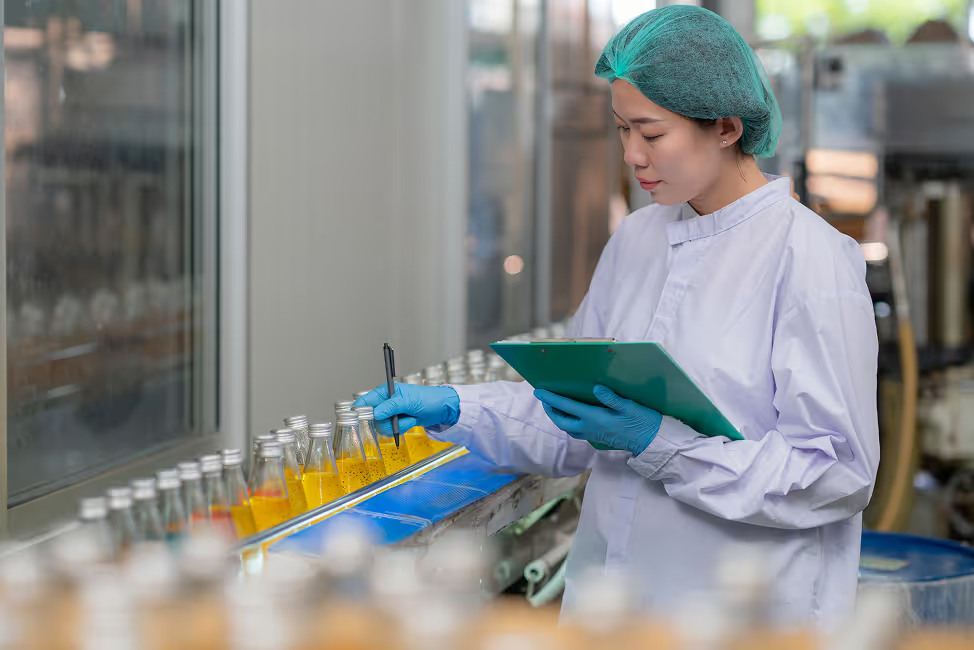
Packaging Development & Regulatory Prep
Once formula is approved, finalize packaging specifications—select bottles, jars, pumps, or airless containers. Create custom molds if needed for unique packaging shapes. Compile regulatory documentation (stability data, safety assessments, ingredient disclosures). Finalize label artwork with proper cosmetic compliance.
- Custom packaging selection and mold creation
- Cosmetic safety assessment and documentation
- FDA-compliant label design approval

Production, Batch Testing & Delivery
Full-scale production begins with your custom formulation and packaging. Our Shenzhen team monitors batch consistency, conducts fill weight verification, and ensures cosmetic GMP compliance throughout manufacturing. Final pre-shipment inspection completed before arranging freight and customs clearance.
- Production with batch consistency monitoring
- Cosmetic GMP compliance verification
- Pre-shipment inspection and freight coordination
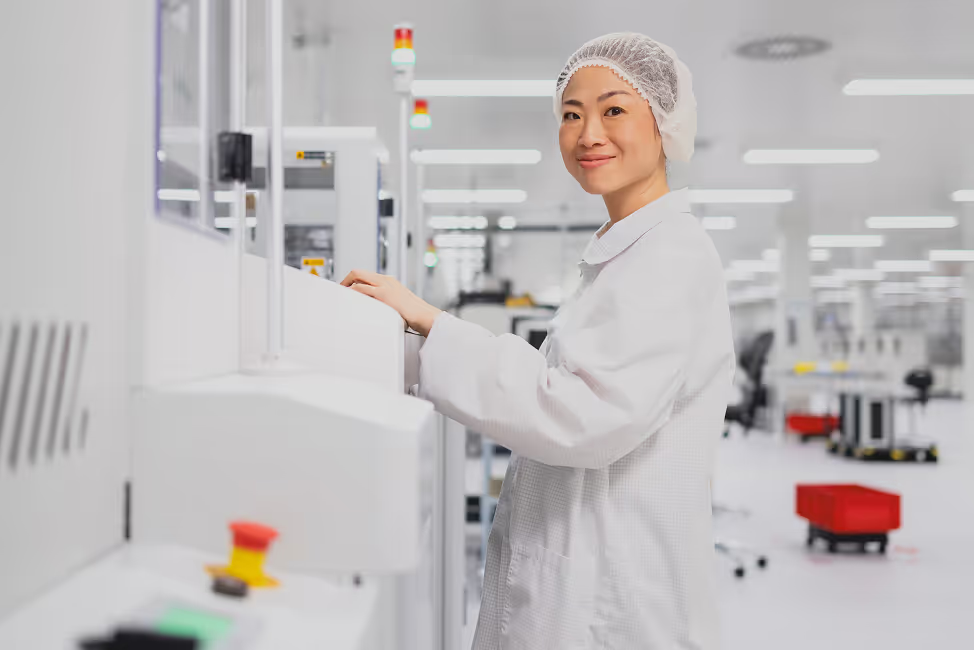
Checklists
Cosmetic Compliance Requirements
- ISO 22716 (Cosmetic GMP) – manufacturing under Good Manufacturing Practices for cosmetics
- INCI Ingredient Listing – proper International Nomenclature Cosmetic Ingredient format
- Stability Testing Data – heat/cold cycling and shelf life verification
- Safety Assessment (CPSR for EU) – cosmetic product safety report if selling in Europe
- Preservative Challenge Testing – microbiological safety verification
- Allergen Declaration – proper labeling of known allergens
Quality Control Standards
- Batch Consistency Testing – verify each production run matches approved formula
- Fill Weight Verification – ensure accurate product volumes
- pH Testing – critical for skincare stability and skin compatibility
- Viscosity Testing – texture consistency across batches
- Color Matching (for cosmetics) – shade consistency verification
- Packaging Integrity – leak testing and component compatibility
What Can Go Wrong
Factory
What can go wrong:
- Inconsistent batch colors or textures due to raw material variations
- Separation or instability in formulations (oil/water separation, precipitation)
- Contamination during filling process affecting product safety
- Incorrect preservative levels leading to microbial growth
How we prevent it:
- Raw material lot testing before production begins
- In-process quality checks during filling and packaging
- Preservative challenge testing to verify antimicrobial efficacy
- Batch retention samples for traceability
Trade Company
What can go wrong:
- Cannot verify actual factory ISO 22716 certification
- Ingredient sourcing hidden, risk of contaminated or fake actives
- No access to stability testing or safety documentation
- Formula changes between batches without notification
How we prevent it:
- Work directly with ISO 22716-certified factories, no middlemen
- Verify ingredient COAs (Certificates of Analysis) from suppliers
- Maintain full chain-of-custody documentation
- Regular factory audits and batch monitoring
Fulfillment Company
What can go wrong:
- Temperature-sensitive products (vitamin C, retinol) degrading in storage
- Exposure to light breaking down active ingredients
- Improper handling causing leaks or contamination
- Mixing up different SKUs or production batches
How we prevent it:
- Climate-controlled warehousing for temperature-sensitive products
- Light-protected storage for photosensitive actives
- Barcode-based lot tracking system
- First-Expired-First-Out (FEFO) inventory management
FAQ
How do I know whether a formula will work with my chosen packaging?
The formula and packaging should undergo compatibility testing together. Oils, acids, alcohol, fragrances, and active ingredients can interact with pumps, seals, liners, plastics, or coatings and cause leaking, discoloration, clogging, or product degradation.
What should brands evaluate when sourcing supplements from a U.S. manufacturer?
Review the manufacturer's applicable GMP credentials, production capabilities, ingredient controls, testing procedures, batch documentation, capacity, minimum quantities, and experience with the intended dosage format. Product labels and claims should also receive appropriate regulatory review before launch.
How is a cosmetic product's shelf life determined?
Manufacturers evaluate formula stability, packaging compatibility, microbiological safety, and performance under defined storage conditions. Shelf-life claims should be based on documented testing rather than an estimate.
Should a brand source supplements or personal care products from the U.S. or China?
The right country depends on the product and business priorities. U.S. manufacturing may offer faster communication, shorter domestic transportation, and easier oversight for products sold in the U.S. China may provide broader ingredient, packaging, and component supply chains with competitive scaling options. In either case, the manufacturer and product must satisfy the destination market's requirements.
How can a brand keep color, texture, and fragrance consistent between batches?
Establish approved specifications and acceptable tolerances for each characteristic. Manufacturers can then compare incoming ingredients, production samples, and finished batches against the approved standard.
What documentation should support a skincare or beauty product claim?
The required evidence depends on the wording and the market where the product will be sold. Claims about appearance, performance, ingredients, or specific results should be reviewed and supported before they appear on packaging or advertising.
When should a formula receive preservative challenge testing?
Challenge testing is commonly considered for products that may support microbial growth, particularly water-based formulas. A qualified formulator or testing laboratory should determine the appropriate testing plan for the specific product.
How can temperature affect personal care products during shipping and storage?
Heat, freezing conditions, humidity, and light exposure can change a product's color, scent, viscosity, stability, or performance. Storage and transportation requirements should be considered during formula and packaging development.
Can the same personal care product be sold in both the U.S. and Europe?
Possibly, but the formula, claims, labels, safety documentation, and responsible-party requirements must be reviewed for each market. A product prepared for one jurisdiction should not automatically be assumed compliant in another.
What does the custom formula-development process involve?
Formula development typically begins with a detailed product brief covering ingredients, format, texture, fragrance or flavor, target cost, positioning, and intended claims. The formulator then creates samples for evaluation and revision. After approval, the formula proceeds through relevant stability, safety, compatibility, pilot-production, and documentation steps before full-scale manufacturing.

.avif)

Get Connected
As a loose guide, the typical “sweet spot” Kanary client who will benefit the most from our process and scaleable expertise will have annual gross revenue starting at approximately 5 million USD. If your business meets — or is approaching — this threshold, we can help you!